

10 Key Digital Manufacturing Trends Shaping the Future
Blog Article | March 18, 2026
Summary
Digital manufacturing is transforming product development and production through the integration of artificial intelligence (AI), IoT, digital twins, and connected engineering platforms. By linking design, simulation, and lifecycle data within solutions like Siemens NX, Simcenter, and Teamcenter, manufacturers can create a unified digital thread that improves efficiency, enables predictive decision-making, and accelerates time to market. Key trends—including smart supply chains, microfactories, Industry 5.0, and sustainable production—are driving a shift toward more agile, data-driven, and resilient operations. Companies that adopt these digital manufacturing technologies alongside expert engineering services can reduce costs, improve product quality, and scale innovation across the product lifecycle.
Key Topics Covered
-
AI and automation in manufacturing (predictive maintenance, quality, design optimization)
-
Smart supply chains with real-time production and logistics visibility
-
Microfactories and dark factories for flexible, localized production
-
Industry 5.0 and human-centric manufacturing with AI and cobots
-
Cybersecurity and PLM data protection in connected environments
-
Digital twins for simulation, optimization, and lifecycle management
-
IoT-enabled smart manufacturing and connected factory systems
-
Sustainable and additive manufacturing for reduced waste and energy use
-
Decentralized manufacturing with cloud-based PLM
-
Emerging technologies (AR/VR, analytics, collaborative robotics)
-
Integrated tools like Siemens NX, Simcenter, and Teamcenter enabling the digital thread
Redefining Manufacturing Through Digital Innovation
Manufacturing is undergoing one of the most significant transformations in its history. Advances in digital technology are redefining how products are designed, produced, and delivered. From artificial intelligence and smart factories to digital twins and sustainable production methods, modern manufacturers are adopting digital tools to improve efficiency, agility, and competitiveness.
These digital manufacturing trends are not just technology shifts—they represent a new approach to product development and production where engineering data, software, automation, and analytics are tightly connected.
For manufacturers across industries including aerospace, automotive, medical devices, industrial equipment, and electronics, digital manufacturing presents new opportunities to accelerate innovation while reducing risk and cost.
Companies that adopt modern digital engineering tools and connected manufacturing environments—such as integrated CAD, simulation, and PLM platforms like Designcenter NX, Simcenter Femap, and Teamcenter—combined with Saratech’s end-to-end Engineering Services, are better positioned to improve product quality, shorten development cycles, and respond quickly to changing market demands.
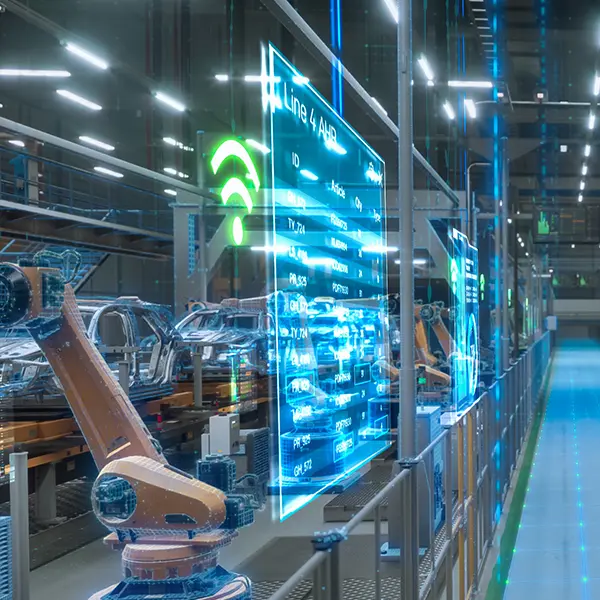
Below Are 10 Key Digital Manufacturing Trends Shaping the Future of the Industry
1.
AI & Automation in Digital Manufacturing
AI-powered systems can analyze large volumes of engineering and production data to identify patterns, detect defects, and predict equipment failures before they occur. This allows manufacturers to move from reactive maintenance to predictive maintenance, reducing downtime and improving productivity.
AI is also improving quality control. Machine learning techniques can be used to detect anomalies and subtle defects during production, helping manufacturers maintain consistent quality standards.
Automation technologies, including robotics and autonomous production systems, are increasingly integrated with data-driven algorithms to optimize factory operations. These systems can adapt to production changes, manage workflows, and improve throughput with minimal human intervention.
In engineering environments, advanced analytics and AI-assisted capabilities are supporting design exploration and simulation. Within platforms like Siemens Designcenter NX and Simcenter, these capabilities are used for tasks such as design optimization, performance prediction, and simulation acceleration—helping engineers evaluate more design options efficiently.
As AI capabilities continue to evolve, manufacturers will increasingly rely on data-driven and AI-assisted decision-making across design, simulation, and production environments.

2.
Evolution of Smart Supply Chains
Traditional supply chains often rely on disconnected systems and limited visibility across suppliers, production facilities, and distribution networks. Digital manufacturing is changing this by enabling smart supply chains powered by real-time data and analytics.
By integrating technologies such as AI, IoT devices, and cloud-based data platforms, manufacturers can gain greater insight into material availability, production status, and logistics performance.
Real-time data allows companies to identify disruptions early and adjust plans accordingly. For example, predictive analytics can anticipate supply shortages, transportation delays, or demand fluctuations.
Smart supply chains also support sustainability initiatives. Companies can monitor environmental impact across the supply chain and identify opportunities to reduce waste, emissions, and energy consumption.
Modern digital manufacturing platforms—such as Siemens Teamcenter—connect product data, engineering changes, and supply chain systems into a unified digital thread, ensuring that teams across the organization are working from the same information.
3.
Rise of Microfactories & Dark Factories
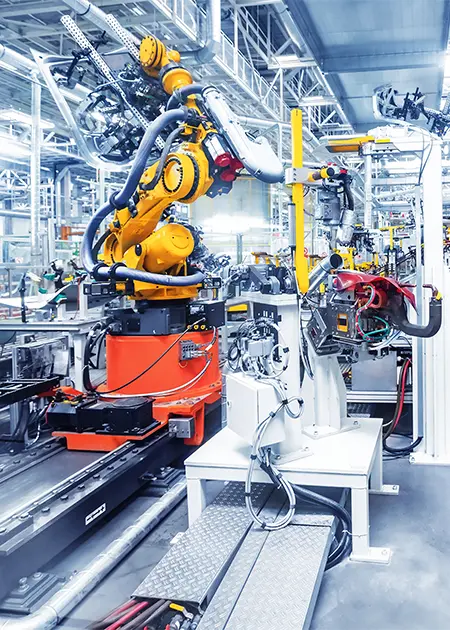
Another emerging digital manufacturing trend is the rise of microfactories—smaller, highly flexible production facilities designed to manufacture products closer to customers.
Unlike traditional large-scale factories, microfactories focus on localized production with modular equipment and digital manufacturing technologies. This approach reduces transportation costs, shortens supply chains, and allows companies to respond quickly to regional demand.
Microfactories are particularly valuable for industries producing customized or rapidly evolving products.
At the same time, some manufacturers are exploring “dark factories,” which operate with minimal human intervention and rely heavily on robotics and automation. These facilities can run continuously, increasing efficiency and lowering operational costs.
Advanced digital manufacturing tools and analytics can provide real-time visibility into production workflows, track performance, and maintain quality standards, helping companies manage highly automated and flexible microfactory operations.
While fully autonomous factories are still emerging, automation and digital manufacturing technologies are steadily increasing the level of autonomy within production environments.
4.
Emergence of Industry 5.0
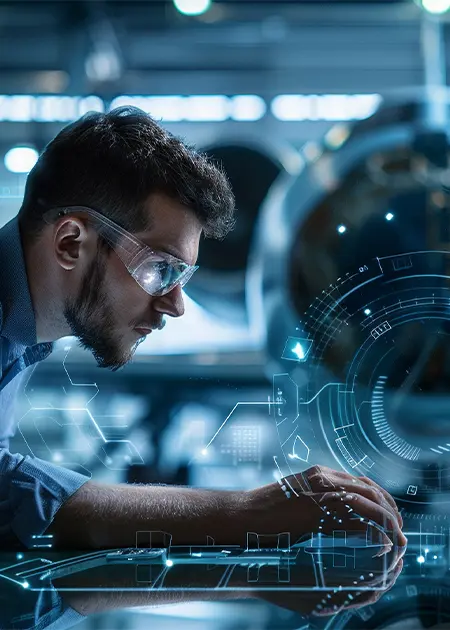
Industry 4.0 introduced the concept of smart factories, connected machines, and digital data flows. Now, the industry is beginning to transition toward Industry 5.0, which emphasizes collaboration between humans and advanced technologies.
Rather than replacing workers, Industry 5.0 focuses on empowering employees with intelligent tools that enhance decision-making and productivity.
Technologies such as collaborative robots (cobots), AI-assisted engineering tools, and augmented reality systems allow workers to interact with machines in more intuitive ways.
Industry 5.0 also emphasizes human-centric manufacturing, where flexibility, personalization, and sustainability play larger roles in production strategies.

5.
Enhanced Cybersecurity Measures
Digital manufacturing systems link engineering data, production equipment, supply chains, and cloud platforms. While this connectivity improves efficiency and collaboration, it also requires careful management to protect against cyber threats.
Protecting intellectual property, product designs, and operational systems is essential for modern manufacturers—especially within PLM environments, which manage sensitive product data across the enterprise. Saratech’s PLM Services help organizations migrate and manage product data securely, ensuring that engineering information is accurately and safely transferred across systems.
Organizations also implement cybersecurity strategies, including network segmentation, threat detection, and secure data practices, to safeguard their connected operations.
Manufacturers must comply with cybersecurity regulations and standards, particularly in industries such as aerospace and defense, where proper data handling and PLM practices are essential.
6.
Digital Twin Technology
One of the most transformative digital manufacturing trends is the adoption of digital twin technology.
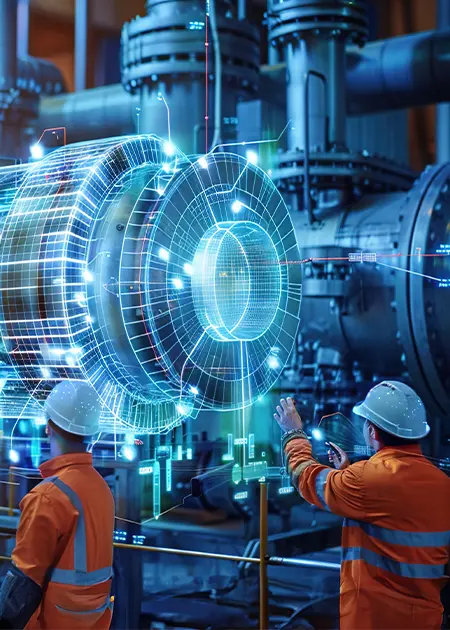
A digital twin is a virtual representation of a physical product, system, or process that updates in real time based on operational data.
Within the Siemens Xcelerator portfolio, digital twin capabilities connect tools like Designcenter NX, Simcenter, and Teamcenter to create a comprehensive digital thread from design through manufacturing and operation.
Digital twins allow engineers to simulate how products will behave under different operating conditions before building physical prototypes, reducing development costs and accelerating innovation.
They are also used to simulate production processes, optimize factory layouts, and improve maintenance strategies.
7.
IoT & Smart Manufacturing
The Internet of Things (IoT) is enabling the next generation of smart manufacturing environments.
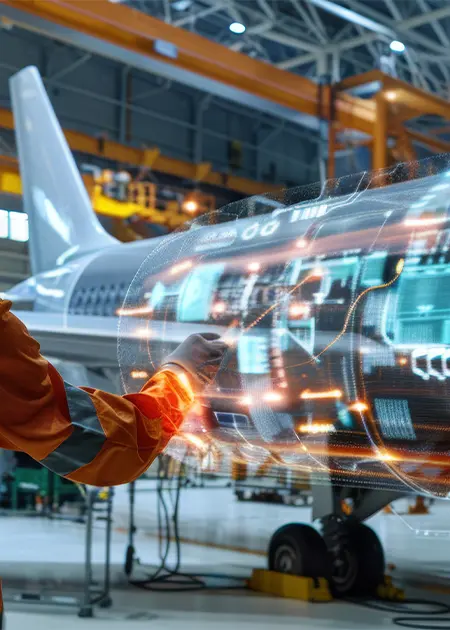
IoT sensors embedded in machines and equipment continuously collect operational data from the factory floor, providing insight into production performance and machine health.
Manufacturers can use this data to optimize production processes, improve equipment performance, and implement predictive maintenance strategies.
As IoT adoption continues to grow, manufacturers gain greater visibility across operations and can make more data‑driven decisions that improve efficiency, productivity, and responsiveness to market demands.

8.
Sustainability in Manufacturing
Sustainability is becoming a major driver of digital manufacturing innovation.
Manufacturers are under increasing pressure to reduce environmental impact while maintaining productivity. Digital technologies help organizations achieve these goals by providing visibility into energy usage, material consumption, and production efficiency.
Additive manufacturing services from Saratech enable lightweight designs and reduce material waste compared to traditional subtractive processes, supporting more resource-efficient production and contributing to sustainable manufacturing practices.
By combining engineering expertise with sustainable manufacturing practices, companies can improve operational efficiency and reduce their environmental footprint.
9.
Decentralized Manufacturing
Global disruptions have highlighted the risks of centralized production systems.
As a result, manufacturers are exploring decentralized manufacturing models, where production is distributed across multiple facilities.
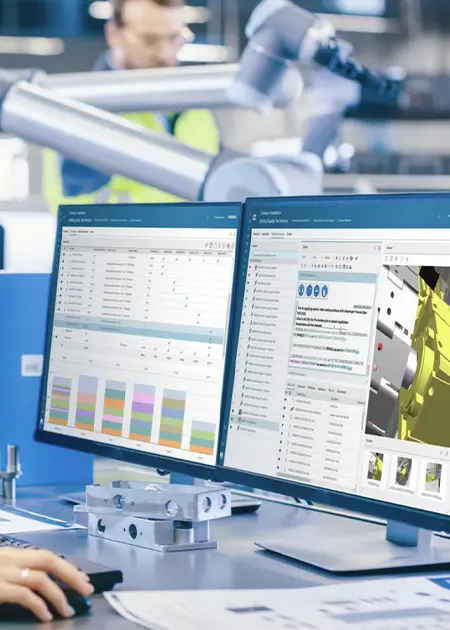
Coordinating distributed operations requires strong data management and visibility. Cloud-enabled PLM platforms like Teamcenter X allow organizations to manage product data, configurations, and processes across multiple sites.
Digital manufacturing technologies help maintain consistency, traceability, and quality across decentralized production environments.
10.
Emerging Technologies Transforming Manufacturing
In addition to established technologies, several emerging innovations are shaping the future of manufacturing.
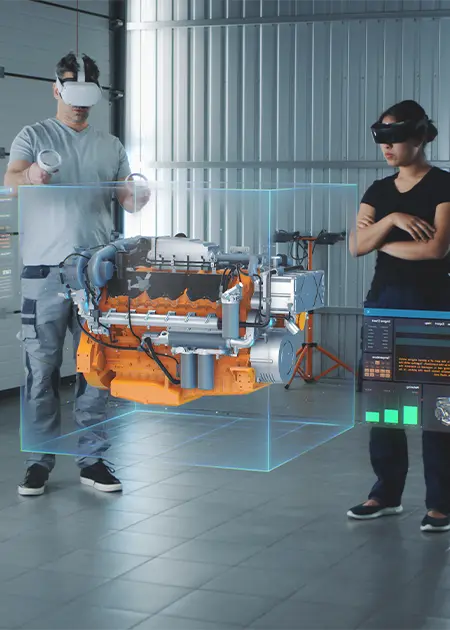
Augmented reality (AR) and virtual reality (VR) tools—such as the Sony XR headset—support immersive engineering product design and simulation, allowing engineers to visualize complex assemblies in 3D, explore design alternatives, and evaluate ergonomics or manufacturability before production begins. Operators and technicians can also use VR for training, maintenance planning, and process walkthroughs, reducing errors and improving efficiency on the shop floor.
Collaborative robots improve human-machine interaction, enabling safer and more flexible workflows.
AI, machine learning, and advanced analytics continue to enhance automation and process optimization.
These technologies, when integrated into connected digital manufacturing workflows, will drive the next wave of operational efficiency, innovation, and workforce productivity.
Conclusion
Digital manufacturing is rapidly reshaping how products are designed, engineered, and produced. From AI and IoT to digital twins and decentralized production models, these technologies enable manufacturers to operate with greater efficiency, agility, and resilience.
Organizations that invest in modern digital engineering tools—such as Siemens NX, Simcenter, and Siemens Teamcenter—are better equipped to innovate, reduce risk, and accelerate time to market.
For many companies, the path forward starts with connecting engineering data, modernizing product development workflows, and implementing a scalable digital foundation.
With the right strategy and technology stack in place, manufacturers can turn today’s digital manufacturing trends into a long-term competitive advantage.
