

Engineering Software Training for Faster Product Development
Blog Article | June 3, 2026
Summary
Engineering software training plays a critical role in helping organizations fully realize the value of their CAD, CAM, simulation, and PLM investments. While tools like NX, Teamcenter, Simcenter, and Solid Edge are powerful, many companies underperform due to inconsistent training and limited user adoption. Effective training goes beyond basic software instruction—it focuses on real engineering workflows, role-based learning, and practical application within product development environments. By improving user proficiency, standardizing workflows, and aligning training with business processes, organizations can accelerate product development, reduce errors and rework, improve collaboration, and increase overall engineering efficiency. A strong training strategy ensures long-term software adoption and maximizes return on engineering software investments.
Key Topics Covered
Introduction
Engineering software is one of the largest investments many companies make in their product development process. From CAD and CAM to simulation and PLM, these tools are essential for designing products faster, improving collaboration, and reducing engineering errors. Yet many organizations still struggle to achieve the productivity gains they expected after implementation.
The issue often is not the software itself—it is how effectively teams are trained to use it within real engineering workflows.
At Saratech, we believe engineering software training should do more than teach commands and menus. Effective training should help engineers work faster, collaborate more efficiently, and apply best practices directly to real-world product development challenges.
Whether your organization uses NX CAD, NX CAM, Teamcenter, Simcenter, Solid Edge, or other Siemens engineering solutions, the right training strategy can significantly improve software adoption, engineering efficiency, and overall product development performance.

Why Engineering Software Training Matters
Modern engineering software platforms are incredibly powerful, but they are also increasingly complex. Without proper training, companies often experience:
- Slow software adoption
- Inconsistent engineering workflows
- Reduced productivity
- Increased support requests
- Engineering rework and errors
- Underutilized software capabilities
- Longer onboarding times for new employees
Many engineering teams only use a small percentage of the capabilities available within their software because users are never fully trained on best practices, advanced workflows, or company-specific processes.
Proper training helps organizations maximize their software investment while improving engineering performance across teams.
The Business Impact of Effective Engineering Training
Well-trained engineering teams can help organizations:
Accelerate Product Development
Engineers spend less time searching for commands, troubleshooting issues, or recreating work.
Improve Engineering Efficiency
Standardized workflows help teams complete tasks faster and with greater consistency.
Reduce Errors & Rework
Proper training improves modeling practices, data management, manufacturing preparation, and simulation accuracy.
Increase Software Adoption
Teams are more likely to embrace new tools and workflows when training is practical and role-specific.
Improve Collaboration
Training across CAD, CAM, simulation, and PLM systems helps teams work together more effectively.
Strengthen Onboarding
New engineers become productive faster when structured training programs are in place.
Build a High-Performance Engineering Team Through Targeted Training
Saratech helps teams build practical, workflow-focused training programs tailored to your tools, processes, and engineering goals. From onboarding to advanced instruction, we help your engineers apply skills directly to real-world product development.
Engineering Software Training Areas
Saratech provides training across a wide range of Siemens engineering software solutions, including:
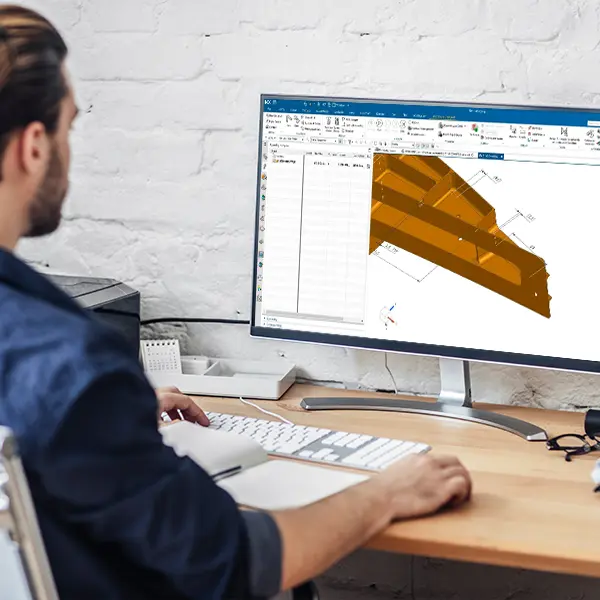
Flexible Engineering Software Training Delivery Options
Saratech offers flexible training delivery options designed to fit your team structure, engineering workflows, project schedules, and business goals. Whether your organization needs foundational onboarding, advanced workflow training, or company-specific process instruction, training programs can be tailored to maximize learning effectiveness and long-term software adoption.
Live Instructor-Led Online Sessions
Interactive virtual training sessions allow engineers to learn directly from experienced instructors without the cost associated with travel. Live online classes provide real-time instruction, hands-on exercises, and direct engagement, while giving teams the flexibility to participate from multiple locations.
Benefits
- Reduce travel costs and scheduling challenges
- Train remote and multi-site engineering teams simultaneously
- Learn through live demonstrations and hands-on exercises
- Ask questions and receive real-time instructor guidance
- Accelerate onboarding and software adoption from anywhere
Onsite Customer Training
Onsite training brings Saratech instructors directly to your facility, allowing teams to learn within their actual engineering environment, workflows, and infrastructure. This approach helps align training with company standards, product development processes, and day-to-day engineering responsibilities.
Benefits
- Train using your company’s workflows and engineering standards
- Improve collaboration across departments and teams
- Increase knowledge retention through real-world application
- Minimize workflow disruption by training at your location
- Address organization-specific engineering challenges directly
Customized Training Programs
Customized training programs are tailored to your organization’s software environment, engineering processes, products, and business goals. Instead of generic examples, the instruction focuses on the real workflows and challenges your teams face daily. These programs can include role-based learning paths, company standards, production workflows, advanced software usage, and industry-specific use cases.
Benefits
- Align training with your company’s engineering workflows and goals
- Improve software adoption and user confidence faster
- Reduce engineering errors and process inconsistencies
- Increase productivity through workflow-focused instruction
- Train teams on real-world production scenarios and use cases
- Maximize the value of your Siemens software investment
Standard Software Training vs Customized Engineering Training
Many companies begin with standard software training classes, which can provide a strong introduction to core functionality. However, generic training alone often leaves gaps between what users learn in class and how they actually work inside their organization.
Standard Software Training
Traditional software training typically focuses on:
- Core software functionality
- General exercises
- Basic workflows
- Individual feature instruction
- Broad user audiences
This approach is useful for:
- New user onboarding
- Software fundamentals
- Introductory learning
- General skills development
However, standard classes often cannot address:
- Company-specific workflows
- Internal engineering standards
- Real production data
- Cross-functional processes
- Industry-specific requirements
- Existing engineering bottlenecks
Customized Engineering Training
Instead of generic examples, customized programs focus on:
- Real engineering workflows
- Company standards and processes
- Team-specific challenges
- Production use cases
- Industry requirements
- Cross-functional collaboration
For example, customized NX training may focus on:
- Aerospace structure modeling workflows
- Manufacturing-driven design practices
- Large assembly management
- Model-based definition strategies
- CAM programming optimization
- Design reuse and automation
Customized Teamcenter training may include:
- Change management processes
- Release workflows
- BOM management
- Multi-discipline collaboration
- Revision and configuration strategies
This practical approach helps engineers apply what they learn immediately inside their day-to-day responsibilities.
Engineers Teaching Engineers
One of the biggest differences between generic training providers and Saratech’s approach is real-world engineering expertise.
Saratech instructors are experienced engineering professionals who understand:
- Product development workflows
- Manufacturing requirements
- Engineering collaboration challenges
- Industry standards
- Practical implementation strategies
This allows training sessions to focus on real engineering outcomes—not just software demonstrations.
Our experience supporting industries such as aerospace & defense, medical devices, automotive, industrial equipment, marine, electronics, and consumer products, helps teams apply software more effectively in production environments.
Training That Supports Long-Term Success
Effective engineering training should not end after a single course.
As software evolves and teams grow, organizations benefit from ongoing enablement strategies that support:
- New employee onboarding
- Software upgrades
- Advanced workflow adoption
- Process standardization
- Cross-team collaboration
- Continuous productivity improvements
A long-term training strategy helps companies maintain engineering efficiency while maximizing the value of their Siemens software investment.
Build a Training Program Around Your Engineering Workflows & Goals
Engineering software delivers the greatest value when teams know how to use it effectively within the context of real product development work. While standard training can build foundational skills, long-term success comes from training that reflects your organization’s workflows, processes, and engineering challenges. By aligning instruction with how your teams actually design, simulate, manufacture, and manage data, companies can improve adoption, reduce inefficiencies, and accelerate product development.
Saratech helps organizations turn engineering software into a true performance advantage through practical, engineer-led training tailored to real-world use cases. Whether you are onboarding new users, standardizing workflows, or advancing team capabilities, the right training strategy ensures your software investment translates into measurable engineering impact.
