

Finite Element Analysis (FEA) Services for Engineering
Blog Article | July 31, 2026

Author: Jack Danylik
NX CAE Application Engineer
- Over a decade of mechanical engineering, CAE, and structural analysis experience, supporting complex aerospace and advanced engineering applications.
- Technical expertise includes finite element analysis, stress analysis, and linear, nonlinear and modal simulation, helping engineering teams evaluate structural strength, deformation, stability and dynamic performance.
- Extensive experience with Siemens NX CAE and advanced simulation workflows to validate designs, identify potential performance issues and support better-informed product-development decisions.
- Supports organizations in solving complex structural challenges, improving simulation processes, and developing reliable, high-performing products.
Summary & Key Topics
Finite element analysis helps engineering teams evaluate how products and components will perform before committing to physical prototypes, tooling, or production. Saratech’s FEA services support structural, thermal, vibration, fatigue, nonlinear, dynamic, and topology optimization needs, helping teams identify risks earlier, improve designs, and make more confident engineering decisions
Key Topics Covered:
- How finite element analysis reduces design risk and physical prototype requirements
- Structural and thermal analysis for evaluating stress, deformation, heat transfer, and thermal expansion
- Modal, vibration, fatigue, and durability analysis for improving long-term product reliability
- Nonlinear and dynamic analysis for complex materials, contact, deformation, and changing loads
- Topology optimization for lightweighting, material efficiency, cost reduction, and additive manufacturing
- FEA applications across aerospace, marine, automotive, industrial equipment, and manufacturing
FEA Services for Better Engineering Decisions
Finite element analysis (FEA) is an engineering simulation method used to predict how a design responds to real-world conditions. By dividing a complex structure into numerous smaller elements, engineers can model the stiffness of the structure. This stiffness matrix is then solved, and engineers can subsequently evaluate stresses, deformation, temperature effects, vibration behavior, and other performance factors under defined loads and constraints.
FEA services are especially valuable during product development because they help reduce uncertainty by ensuring products meet their requirements. Instead of waiting until physical testing to discover a failure mode, engineering teams can use simulation to identify high-stress areas, excessive deflection, heat-related concerns, or other failure modes earlier in the process.
Effective FEA provides insight that supports practical design decisions. Saratech helps customers understand what their results mean, what design changes may be needed, and how simulation can support faster, more reliable product development.
Finite Element Analysis (FEA) Services
Engineering teams are under constant pressure to design products that are stronger, lighter, safer, and more reliable — often while reducing development time and physical prototype costs. Finite element analysis helps make that possible by allowing engineers to evaluate how parts and assemblies will perform before they are manufactured or tested.
Saratech provides FEA services to help companies assess structural performance, thermal behavior, durability concerns, and design efficiency. With the right analysis approach, teams can identify potential issues earlier, compare design options, and make better engineering decisions with greater confidence.
Our Finite Element Analysis Capabilities
Saratech supports a range of finite element analysis services to help engineering teams evaluate product performance and improve designs.
Structural Analysis
Structural analysis helps determine how a part or assembly will respond to applied forces, pressure, weight, and other operating loads. This type of analysiscan evaluate stress, strain, displacement, stiffness, and deformation to help determine whether a design can meet performance requirements.
Saratech uses structural analysis to identify stress concentrations, weak points, and areas where geometry or material changes may improve performance. This can help teams validate designs, reduce the risk of mechanical failure, and make informed decisions before moving into prototyping or production.
Thermal Analysis
Thermal analysis evaluates how heat moves through a product under applied thermal conditions like convection, conduction, or radiation. Thermal analysis can reveal hot spots, expansion concerns, and heat-related performance issues. For products exposed to heat, cooling requirements, or changing environmental conditions, thermal FEA can help engineers understand whether a design meets its thermal performance requirements. Saratech can also help evaluate situations where thermal expansion may affect structural performance or fit.
Modal & Vibration Analysis
Where project requirements call for it, Saratech can support modal and vibration analysis to help engineering teams understand natural frequencies, mode shapes, and potential resonance concerns.
This type of analysis is useful for components exposed to oscillating loads, rotating equipment, transportation environments, or other vibration-related conditions. By identifying vibration behavior earlier, teams can make design adjustments that help reduce the risk of performance issues in operation.
Fatigue & Durability Analysis
For applications involving repeated or cyclic loading, fatigue and durability analysis can help evaluate potential life-limiting areas in a design. These insights may support improvements to geometry, materials, load paths, or manufacturing approach.
Fatigue analysis is especially useful when a component must perform over many operating cycles or meet long service-life expectations. Depending on project scope and requirements, Saratech can help assess durability concerns and provide recommendations to improve design confidence.
Nonlinear & Dynamic Analysis
Some engineering problems require more advanced simulation methods than standard linear analysis. Nonlinear analysis may be appropriate when a design involves complex contact, large deformation, nonlinear material behavior, or changing boundary conditions.
Dynamic analysis can help evaluate time-dependent loads or operating conditions that change during use. For more complex design challenges, Saratech can help determine whether nonlinear or dynamic analysis is appropriate based on the behavior being studied and the decisions the simulation needs to support.
Topology Optimization
Topology optimization uses simulation-driven methods to identify efficient material distribution within a design space. This can help reduce weight while maintaining strength, stiffness, or other performance requirements.
Saratech can use topology optimization to support lightweighting, cost reduction, additive manufacturing opportunities, and early-stage design development. By removing unnecessary material and focusing structure where it is needed most, teams can create more efficient and innovative designs.
Turn Expert Analysis Into Better Engineering Decisions
Whether you need additional analysis capacity, design validation, or support troubleshooting a complex engineering challenge, Saratech provides the simulation expertise your project requires. Our FEA consulting services help engineering teams evaluate product performance, reduce design risk, and optimize designs before physical testing or production by providing insight into stress, deformation, thermal behavior, vibration, durability, and overall design performance. Talk with a Saratech engineer about your project to determine the finite element analysis approach that best aligns with your technical requirements and business objectives.
Why Use Saratech for FEA Services
Choosing the right FEA partner matters. The value of simulation depends not only on the software used, but also on the engineering judgment behind the setup, assumptions, interpretation, and recommendations.
Strong Engineering & Simulation Expertise
Saratech brings engineering and simulation expertise together to help customers evaluate product performance with confidence. Our team understands the importance of accurate inputs, realistic assumptions, and practical analysis methods.
We help customers understand not only what the results show, but what those results mean for the design.
Support for Complex Product & Design Challenges
Engineering teams often face challenging design questions, tight timelines, or limited internal analysis bandwidth. Saratech can support targeted analysis needs, design validation efforts, troubleshooting, and simulation-driven design improvement.
Whether your team is evaluating a single component or a more complex assembly, Saratech can help define the right approach for your objectives.
Practical Recommendations for Design Improvements
FEA results are most valuable when they lead to action. Saratech focuses on practical recommendations that help teams improve product performance, reliability, and manufacturability.
Recommendations may include geometry changes, material considerations, thickness adjustments, reinforcement strategies, or lightweighting opportunities. The goal is to help your team make better engineering decisions — not just generate data.
Industries & Applications We Support
Saratech provides FEA services for engineering teams across industries where product performance, reliability, weight, and safety are critical. Whether a company is developing a new component, improving an existing design, or troubleshooting a performance issue, finite element analysis can provide insight before major investments are made in tooling, prototyping, or production.
Aerospace
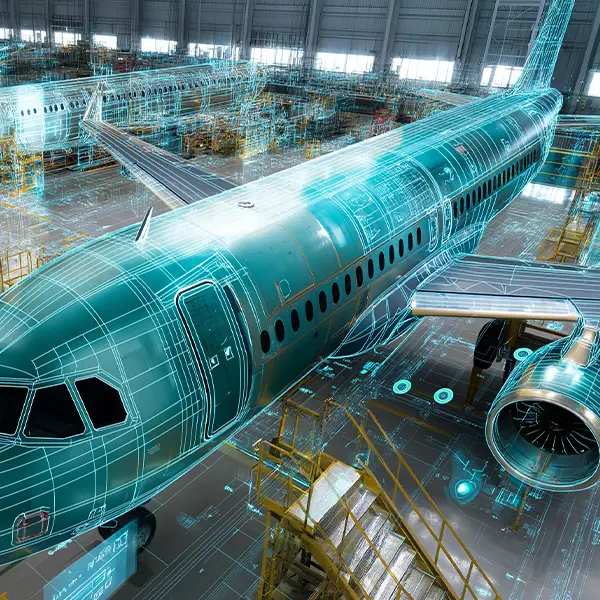
Aerospace products often require a careful balance of strength, stiffness, weight, and reliability. FEA services can help engineering teams evaluate how components perform under mechanical loads, vibration-sensitive environments, thermal conditions, and strict weight requirements.
Saratech can support analysis for aerospace brackets, housings, support structures, payload components, fixtures, and lightweight assemblies. Structural analysis and topology optimization can be especially valuable when teams need to reduce mass while maintaining performance. By using simulation earlier in development, aerospace teams can identify potential stress concentrations, improve load paths, and support more efficient design validation.
Marine
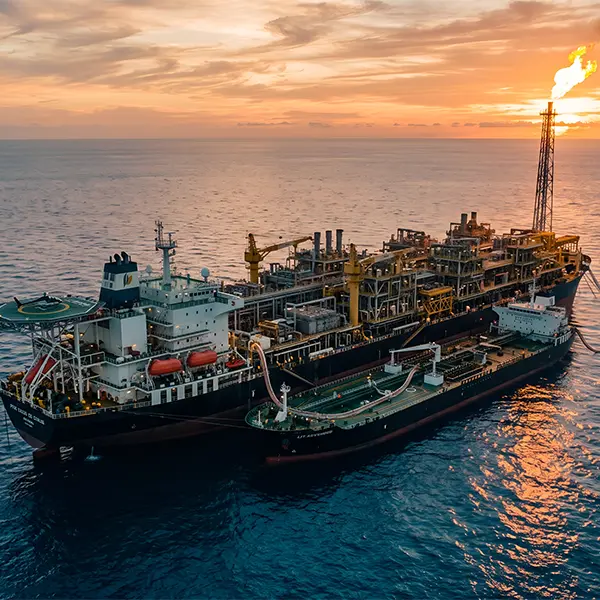
Marine applications often involve demanding operating conditions, including heavy loads, moisture, corrosion considerations, vibration, and long-term durability requirements. FEA can help evaluate whether components and structures are prepared for these harsh environments.
Saratech supports marine engineering teams with analysis for equipment mounts, support structures, enclosures, brackets, frames, and other load-bearing components. Structural and thermal analysis can help identify deformation, stress, and heat-related concerns that may affect product reliability. For select applications, vibration or durability evaluation may also help teams better understand how marine components perform over time under repeated operating conditions.

Automotive
Automotive engineering teams often use FEA to improve performance, reduce weight, support safety goals, and accelerate development. Simulation can help evaluate how parts and assemblies respond to mechanical loads, thermal conditions, road inputs, and operating environments.
Saratech can support automotive applications such as structural components, brackets, housings, mounts, frames, fixtures, and thermal-sensitive parts. FEA services can also help with lightweighting initiatives by identifying where material may be reduced without compromising strength or stiffness. This allows automotive teams to compare design options, reduce prototype iterations, and make more informed decisions earlier in the development cycle.
Industrial Equipment & Manufacturing
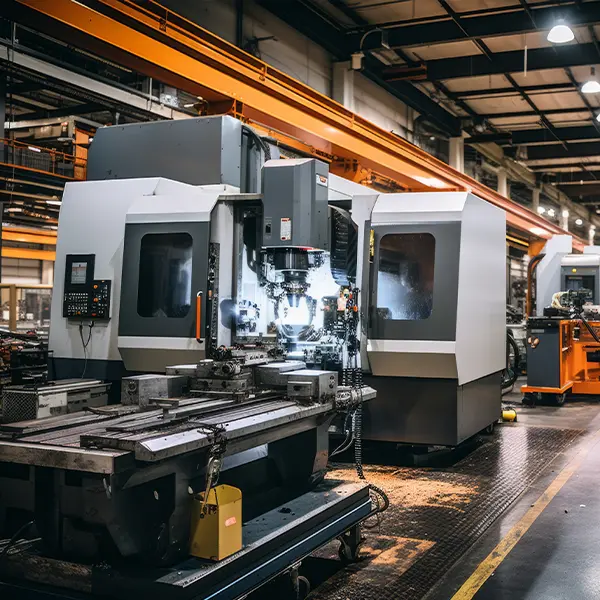
Industrial equipment and manufacturing environments require components that can withstand repeated use, heavy loads, and demanding production conditions. FEA services can help teams improve the performance and reliability of machinery, tooling, fixtures, frames, and other structural systems.
Saratech can assist with analysis for machine components, welded frames, lifting fixtures, workholding tools, production equipment, and custom mechanical assemblies. Structural analysis can help identify high-stress areas, excessive deflection, or potential failure points, while thermal analysis may be useful for equipment exposed to heat or changing operating temperatures. These insights can help manufacturers reduce downtime risk, improve equipment safety, and extend the life of critical components.
Conclusion
Finite element analysis gives engineering teams a clearer understanding of how products and components may perform before they reach physical testing or production. By evaluating structural, thermal, vibration, fatigue, and other performance factors earlier in development, teams can reduce uncertainty, identify potential design flaws, and make more informed decisions.
The value of FEA depends on more than simulation software alone. Accurate inputs, realistic assumptions, proper analysis methods, and experienced interpretation are all essential for producing results that support meaningful design improvements. Saratech combines advanced simulation capabilities with practical engineering expertise to help customers improve performance, reduce risk, and move projects forward with greater confidence.
Key Takeaways
- FEA helps identify stress, deformation, thermal, vibration, and durability concerns before physical testing or production.
- Structural, thermal, modal, fatigue, nonlinear, dynamic, and topology optimization analyses support different engineering objectives.
- Early simulation can reduce prototype iterations, development costs, design risk, and potential production delays.
- Accurate setup, realistic assumptions, and experienced engineering interpretation are critical to reliable FEA results.
- Simulation insights can support practical improvements to geometry, materials, thickness, reinforcement, weight, and manufacturability.
- Saratech provides FEA expertise and additional analysis capacity for complex components, assemblies, troubleshooting, and design validation.
